 |
|
|
Sponsors
Longwood Gardens website
The Garden of a Lifetime. A Century in the making.
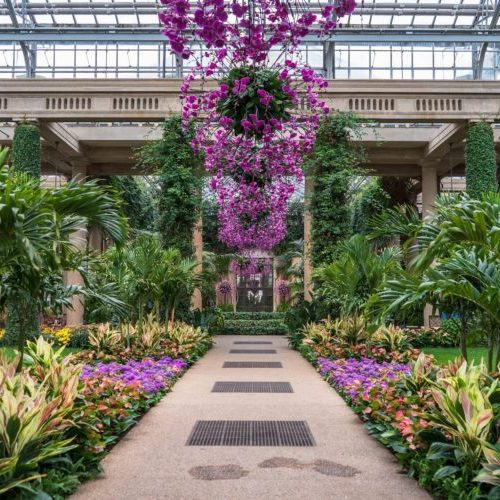
Longwood Gardens is a feast for the senses! As the world's premier horticultural display garden, Longwood boasts over 1,000 acres of majestic gardens, natural woodlands, and colorful meadows. Twenty spectacular outdoor gardens transform with the seasons, while indoors, four acres of heated conservatories contain amazing garden settings that change throughout the year. Featuring more fountains than any other garden in the United States, Longwood delights visitors with magnificent water displays while showcasing dynamic concerts and performances, and offering extensive educational programs for every level of interest. Longwood really is America's ultimate garden treasure.
Tyler Arboretum website
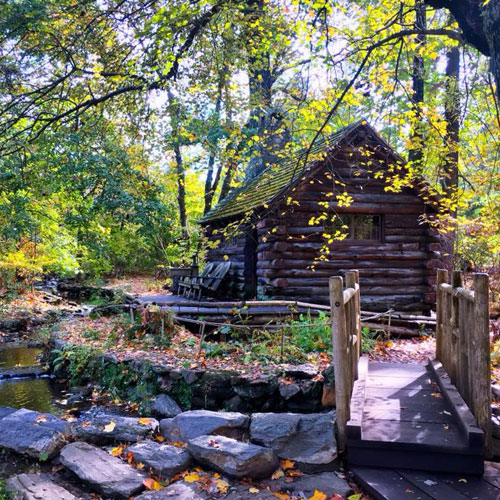
Tyler Arboretum is one of the oldest and largest arboreta in the northeastern United States, comprised of over 650 acres of lush, naturalized plantings with 20 miles of trails through serene native woodlands. The Arboretum has renowned plant collections, several state champion trees, a butterfly-filled Meadow Maze, and historic buildings built by the Quaker family who originally lived on and farmed the property.
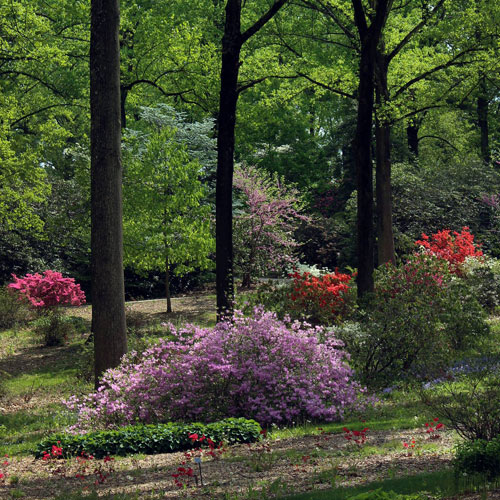
Dr. John C. Wister served as Tyler Arboretum’s first director from 1946 to 1968. By far, the biggest lasting impact that Dr. Wister had on the landscape at Tyler was the establishment of several horticultural collections, the most spectacular of which is the rhododendron garden, featuring 1,600 plants covering 11 ½ lush acres. Additionally, Tyler’s extensive cherry, magnolia, lilac, and crabapple collections are magnificent in the spring.
Sixth generation residents of the property, Minshall and Jacob Painter, were fascinated with the natural world and began systematically planting trees and shrubs on the land surrounding their farmhouse. Today, 23 of these specimens survive. These “Painter Trees” include a Giant Sequoia, which is the largest of its kind in Pennsylvania.
Boasting a diversity of rich ecological habitats including a serpentine barren, wetlands, woodlands, and meadows, Tyler Arboretum offers field trips that encourage school children to discover the wonders of plants, nature, and history up close. Local history comes alive at this former working farm, which was home to eight generations of the Minshall/Painter/Tyler family, and special Lenape Native American programs connect students with the original inhabitants of the land. Guided tours provide hands-on experiences with plants and nature that make learning fun.
Tyler offers classes and programs throughout the year, ranging from Yoga in the Arboretum, to Family Night Hikes, to Weekend Gardener workshops, to Wednesday Bird Walks, offering both adults and children an appreciation of the natural world. A complete listing of the Arboretum’s programs is available at www.tylerarboretum.org and can also be picked up in the Arboretum Visitor Center.
Chanticleer was the estate of Christine and Adolph Rosengarten, Sr., head of the pharmaceutical company Rosengarten and Sons. Their son Adolph Jr. left the property to be enjoyed as a 35-acre public garden. The garden has been open to the public since 1993.
The Washington Post called Chanticleer “….one of the most interesting and edgy public gardens in America.” The garden focuses on plant combinations, containers, textures, and colors, often relying on foliage more than flowers.
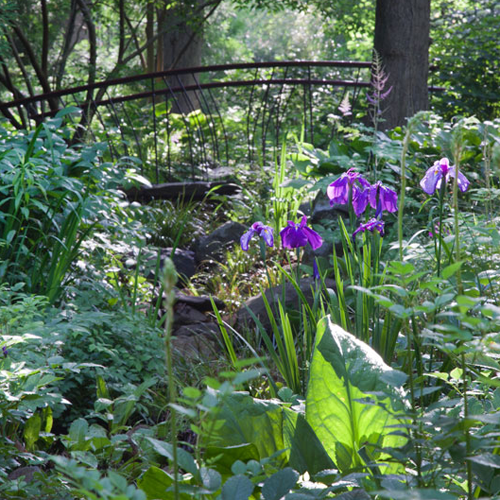
Tens of thousands of bulbs clothe the ground in spring, followed by orchards of flowering trees with native wildflowers blooming in the woods. A vegetable garden complements a cut-flower garden. Courtyards are a framework for unusual combinations of hardy and tropical plants. Vines grow in nooks and crannies, trailing and twining. A serpentine of cedars, boulders, and agronomic crops undulates through a mown hillside. A woodland garden carpeted with Asian groundcovers and full of rarities leads to a water garden surrounded by exuberant perennials. A ruin plays with indoor/outdoor relationships and contrasts the light and dark sides of gardens. Sculptural, homemade seats, benches, wrought iron fences, and bridges highlight the uniqueness and personal nature of the garden.
Chanticleer is indeed a pleasure garden, offering an escape from the rush of every day life and a place where one can feel like a personal guest of the Rosengarten family.
Morris Arboretum website
The Morris Arboretum, the official arboretum of the Commonwealth of Pennsylvania, is a 92-acre public garden featuring over 13,000 labeled trees and plants. It's mission is to promote an understanding of the important relationships between people and plants. The Arboretum includes a spectacular collection of mature trees as well as a formal rose garden, flower borders, the garden railway display (a miniature train and landscape), a swan pond, and a unique glass house called a fernery. The Morris Arboretum features plants collected from other countries with similar climates as well as a wide variety of native plants. They are arranged in a landscaped Victorian garden setting along with historic architectural features gathered from around the world by the Arboretum's founders, John and Lydia Morris.
Scott Arboretum website
The Scott Arboretum is an educational garden of ideas and suggestions. Covering more than 300 acres of the Swarthmore College Campus and exhibiting over 4,000 different kinds of plants, the Arboretum displays some of the best trees, shrubs, perennials, and annuals for use in the Delaware Valley. Established in 1929 as a living memorial to Arthur Hoyt Scott, the Arboretum is open to the public year-round free of charge, from dawn to dusk. Adam Levine in the November/December 2002 issue of Garden Design magazine described the Scott Arboretum of Swarthmore College as "the most beautiful campus in America." Office hours are Monday through Friday, 8:30 a.m. to noon and 1 to 4:30 p.m. For more information, please call the Arboretum Offices at 610-328-8025.
Pennsylvania Horticultural Society website
The Pennsylvania Horticultural Society (PHS) is a not-for-profit membership organization founded in 1827. Under the leadership of Jane G. Pepper, PHS provides great events, activities and publications for novice gardeners, experienced horticulturists, and flower lovers of all ages.
|
|